



The Power of a Well-Known House Mark: Delhi High Court Protects PATANJALI Registration
Introduction
In a significant decision reaffirming the strength of well-known house marks in trademark law, the Delhi High Court dismissed a rectification petition filed by Holy Cow Foundation seeking removal of the trademark 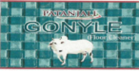 “PATANJALI GONYLE FLOOR CLEANER”, registered in Class 5 in favour of Patanjali Gramodyog Nyas (Trust) and others. The Court held that the impugned mark, when viewed as a whole, was neither deceptively similar to the Petitioner’s mark nor likely to cause consumer confusion, particularly in light of the prominent and well-established PATANJALI house mark.
This article examines the factual background, rival contentions, and the reasoning adopted by the High Court in dismissing the rectification petition.
Background of the Dispute
The Petitioner, Holy Cow Foundation, is a non-governmental organization dedicated to the welfare of indigenous cattle in India. As part of its efforts to promote financial sustainability of gaushalas (cow shelter), the Petitioner developed a cow-urine-based floor-cleaning product in 2013, branded as “GAUNYLE”, positioned as a natural alternative to phenyl-based cleaners. The GAUNYLE mark has been registered in Class 5 since 2015 and continues to remain valid and subsisting.
The dispute arose when the Petitioner allegedly became aware that the Respondents were manufacturing and selling cow-urine-based floor cleaners under the mark . A cease-and-desist notice was issued, alleging dishonest adoption of an identical mark to trade upon the Petitioner’s goodwill. The Respondents, however, asserted prior use of the impugned mark and denied any deceptive similarity, leading the Petitioner to initiate rectification proceedings after discovering that the impugned mark had proceeded to registration.
Petitioner’s Case for Rectification
- The Petitioner sought rectification of the impugned mark on multiple grounds. It was contended that the Respondents had applied for and secured registration without sufficient cause and that the mark was wrongly remaining on the Register.
- According to the Petitioner, the Respondents had clear knowledge of the GAUNYLE mark and had deliberately adopted a visually, structurally, and phonetically identical mark in 2015 for identical cow-urine-based floor cleaners, with the intent to exploit the Petitioner’s goodwill and reputation. Reliance was also placed on a 2015 media statement allegedly indicating that the Respondents were not using the impugned mark for cow-urine-based products at that time.
- The Petitioner further argued that the Respondents’ failure to explain the adoption of the impugned mark despite already selling a similar product under the brand “Shudhi Phenyal” pointed to mala fide intent. Emphasis was placed on the settled principle that the rights of a prior user prevail over a subsequent registration.
Respondents’ Defence
- The Respondents resisted the rectification petition by asserting superior statutory and common law rights in the impugned mark. Patanjali Gramodyog Nyas, established in 2011, was described as an entity engaged in promoting village-based and cottage industries, while Patanjali Ayurved Limited, incorporated in 2006, was stated to enjoy substantial goodwill and nationwide reputation across diverse product categories.
- The Respondents claimed that the impugned mark had been coined and used since as early as 2008 and that they were the first adopters and registered proprietors of the mark and its variants across multiple classes. In contrast, the Petitioner was described as a subsequent adopter, claiming use only from 2013 and applying for registration in 2015.
- The Respondents’ defence was substantially founded on the presence of the renowned PATANJALI house mark in the impugned mark, which they contended served as a clear and dominant indicator of trade origin. It was argued that the presence of this well-known mark, recognised as such by the Registrar, clearly distinguished the origin of the goods and eliminated any likelihood of confusion. The Respondents also challenged the credibility of the Petitioner’s evidence of use, pointing to inconsistencies in invoices relied upon to establish prior user.
Issues Before the Court
Based on the rival submissions, the High Court framed the following key issues:
- Whether the Petitioner had established prior adoption and use of its mark?
- Whether the impugned mark was identical or deceptively similar to the Petitioner’s mark, leading to confusion or deception?
- Whether the registration of the impugned mark was liable to be rectified.
Court’s Analysis and Findings
- The Court emphasized that trademarks identify the source of goods and aim to prevent consumer confusion, and that claims of prior user must be supported by clear and credible evidence.
- In the instant case, the Court found that the Petitioner had failed to prove prior use. The inconsistencies in invoice numbers and dates raised serious doubts about the authenticity of the Petitioner’s evidence, thereby undermining its claim of use since 2013. The Court rejected the Petitioner’s reliance on a media article from 2015, holding that the absence of reference to a product in a media report does not conclusively establish non-use.
- Significantly, the Court noted that the Respondents’ trademark application pre-dated that of the Petitioner. Even independently of the claims of prior use, the Respondents therefore enjoyed priority on the basis of filing dates alone.
- The Court held that deceptive similarity must be judged holistically, and despite some phonetic resemblance between “GAUNYLE” and “GONYLE,” the prominent use of the well-known PATANJALI house mark clearly distinguished the goods and dispelled any likelihood of confusion.
- Given the substantial goodwill and reputation associated with the PATANJALI brand, consumers were far more likely to associate the impugned product with the Respondents rather than confuse it with the Petitioner’s mark. The Court reiterated the settled principle that, in appropriate cases, a well-known house mark can effectively negate the likelihood of confusion.
- The Court also took note of the Respondents’ registrations across multiple classes and their good-faith investment in the PATANJALI brand. Granting rectification at this stage would cause significant prejudice, particularly when the Petitioner had been aware of the Respondents’ prior application but chose not to oppose it.
Decision
The High Court held that the impugned mark, when viewed as a whole, was neither identical nor deceptively similar to the Petitioner’s mark and was unlikely to cause consumer confusion. Consequently, the rectification petition was dismissed, and the registration of in Class 5 was allowed to remain on the Register.
Comment
The ruling reaffirms that a well-established house mark can operate as a decisive distinguishing factor and that rectification cannot be sustained where the impugned registration is supported by prior rights, good-faith adoption, and lack of consumer deception. In the absence of reliable proof establishing the Petitioner’s prior user, and given the Respondents’ earlier application, consistent claim of use, and the prominent presence of the well-known “PATANJALI” house mark, the Court found no likelihood of confusion or deceptive similarity.